Invasive garden plants are a part of growing food. The 20 vegetables, herbs, and flowers on this list are grown by many gardeners each year.
A Farm Girl in the Making participates in multiple affiliate programs. She also participates in the Amazon Services LLC Associates Program, an affiliate advertising program linked to Amazon.com and other affiliated sites. This lets me earn a small amount of money on goods you purchase at no extra charge to you. For that, we thank you!
30 Invasive garden plants you did not know were invasive
We grow a garden to provide clean produce for our community and ourselves. The ability to eat in season and preserve the harvest for year-round consumption requires more than dropping a seed into the ground. It requires knowing how to protect it from pesky bugs and how to feed the soil, allowing what is sown the opportunity to thrive. The best way to achieve this naturally is to plant companion plants, such as herbs, flowers, and even other crops, near the main crop.
What many new gardeners, and even seasoned ones, do not realize is that some companion plants sown can become invasive and quickly spread their seeds if not managed properly. Can we do without sowing such beneficial plants? Yes, if you choose to utilize an unnatural product. Organic gardening is best achieved when you allow nature to do the job it was intended to do – feed and amend the soil, and repel bugs that can destroy your crop.
Through experience and a lot of headaches, here is my list of invasive plants. Plants we intentionally sow, and will continue to sow each year, despite how invasive they can be.
The BEST companion plants (that will give you a headache and create extra work for you)
The best and the most accurate segue into this article is this statement: the popular invasive plants that we intentionally plant to produce in the garden as companion plants. If you sow anything from the list below, be prepared, you will have a lot of weeding to do the following spring as you prepare the garden to be sown.
Let’s be honest: thirteen years ago, I was warned and advised not to sow borage, along with many other items mentioned below. If you know anything about me, you know that I didn’t listen and sowed them anyway. I will admit that I will only plant some of the items if they are contained. Other items that have self-seeded are transplanted to a spot in the garden where I’d like them to grow.
I call them hassle-free starts, ones I did not have to order the seeds, sow, water, or even up-pot until ready to be transplanted into the garden. Just in case you do not see my point of view, here’s the the list of invasive garden plants you are going to want to avoid growing.
Perennials can be extremely invasive
Everyone loves a good perennial. Plants and fruit that return year after year, and when cared for properly, provide you with an abundance of harvest. As great as that sounds, many perennials are aggressive growers that spread not through a seed, but through their root system.
- Asparagus – A delicious springtime crop sends offshoots from the parent plant, also known as the crown of the plant. Harvesting the canes will not prevent it from spreading, as it spreads horizontally from the root system. Plan to plant asparagus in an area where it can grow freely with minimal care. By the way, the best companion plant for asparagus is the strawberry plant.
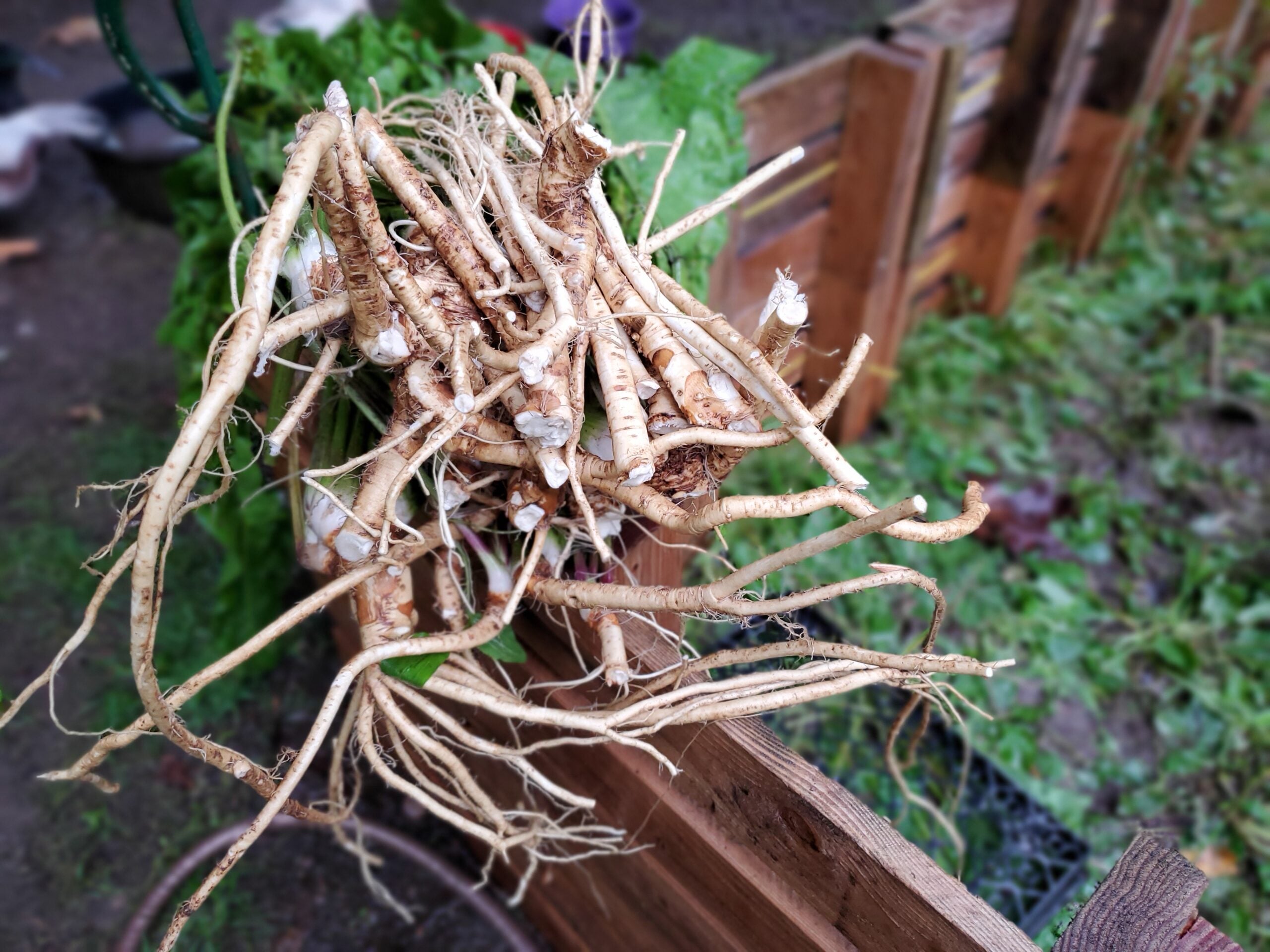
- Horseradish – We grew horseradish long enough to harvest once and never grew it again. However, it took us over two years to eliminate the plant from the garden. Horseradish produces underground rhizomes that spread with a vengeance. Over time, the rhizomes are capable of spreading exponentially quickly, and if you do not remove all of the rhizomes, you will be digging out horseradish root in garden plots that they were not meant to be growing in for many seasons. If you do decide to grow horseradish, here’s an easy recipe for making horseradish sauce.
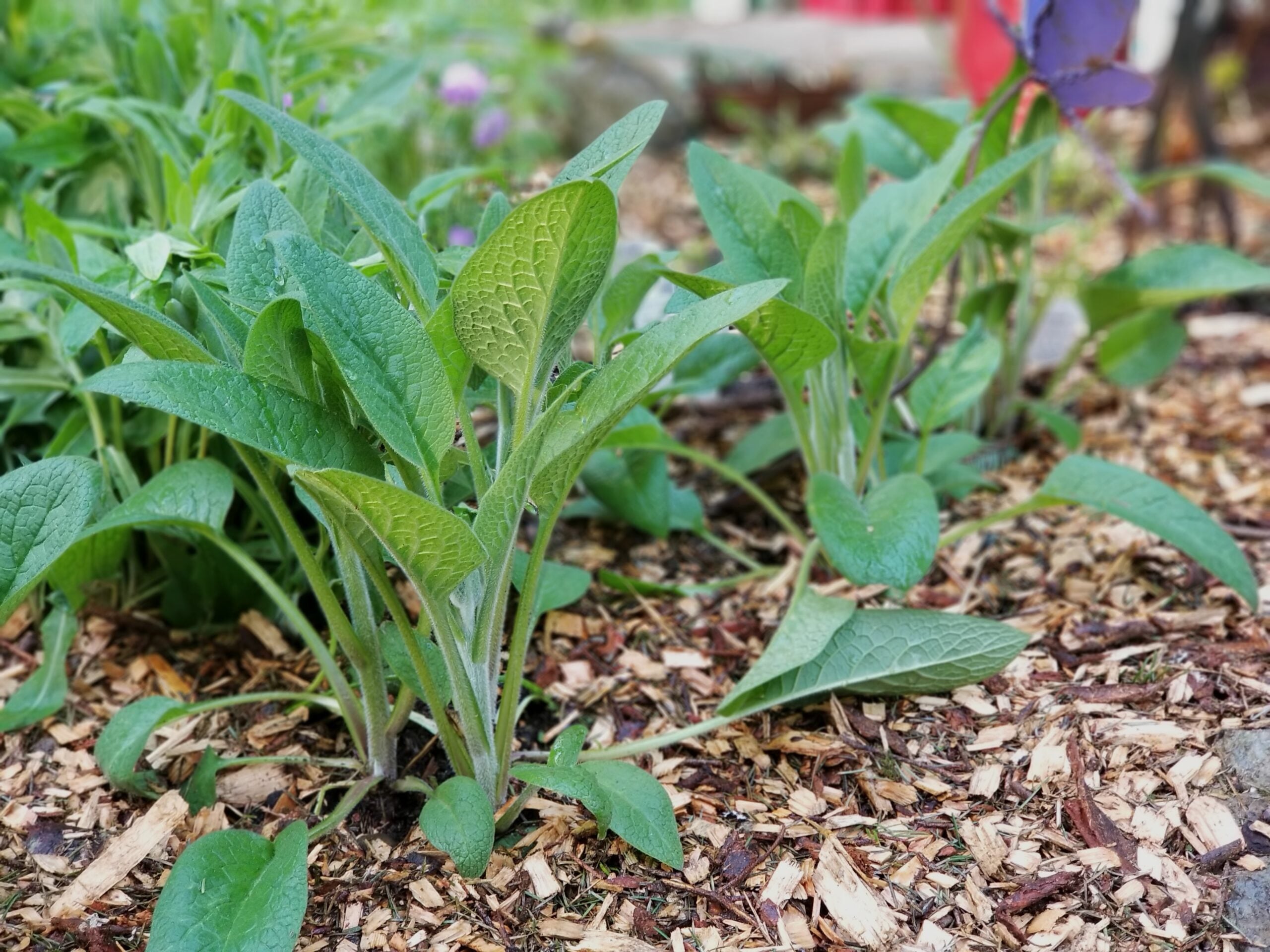
- Comfrey – The benefits this perennial provides are simply too great not to sow it. Comfrey is a fast-growing, aggressive plant with a deep taproot. It is an excellent companion plant for fruit trees, as it suppresses weeds, acts as a living mulch, and fertilizes the tree. Comfrey tea is an incredibly gentle fertilizer and ideal to use throughout the growing season. If you are interested in growing comfrey, look for comfrey seeds or dig up a taproot if you can find one.
- Raspberry and blackberry canes – It kills me to say this, but if the canes are not managed, they will overtake their growing space. The good thing about growing these berry-producing plants is that the canes can be easily dug up and transplanted, creating an additional plant to harvest from.
- Ground cherries – My advice to you is this: do not miss harvesting any ground cherries that fall to the ground. As delicious as they are, they will self-seed throughout the garden. For the record, birds also like ground cherries. Do not become shocked when you find volunteers popping up in the pasture or in your lawn.
- Passion fruit, also known as Maypop – A native plant species to Tennessee and across the southern US. It is delicious and favored by humans, birds, and animals alike. This invasive plant spreads through the suckers (or rhizomes) it produces and also by the seeds it produces.
Herbs require harvesting regularly to manage spreading
I dream of one day adding a spiral herb garden to the farm, but I am quickly reminded that if I do not maintain it properly, many of the fast-growing herbs I sow can spread rapidly in a single growing season. Which means you will need to stay on top of harvesting and drying them on a regular basis.
Regardless, a spiral herb garden is stunning and an ideal item to have in any kitchen potager.

Roughly 90% of the seeds we sow are from a small family-owned business here in the United States. Over the years, we have tested the germination rate for Sow Right Seeds and have received a 95% germination rate or higher each time. If supporting family-owned businesses is important to you, I’d encourage you to give their seeds a try. Also, take advantage of receiving 10% off your order with the code afarmgirl.
The benefits of companion planting with herbs
For those who do not have a lot of experience utilizing herbs as a companion plants, allow me to give you a quick rundown:
- Herbs can improve the soil
- Attract beneficial insects such as pollinators, but it can also act as a pest deterrent to many invasive bugs
- Herbs have been known to improve the soil, and some say they can enhance the flavor of some crops
Let me preface this with, plant all the herbs. Harvesting them multiple times in a growing season will prevent them from spreading exponentially quickly.
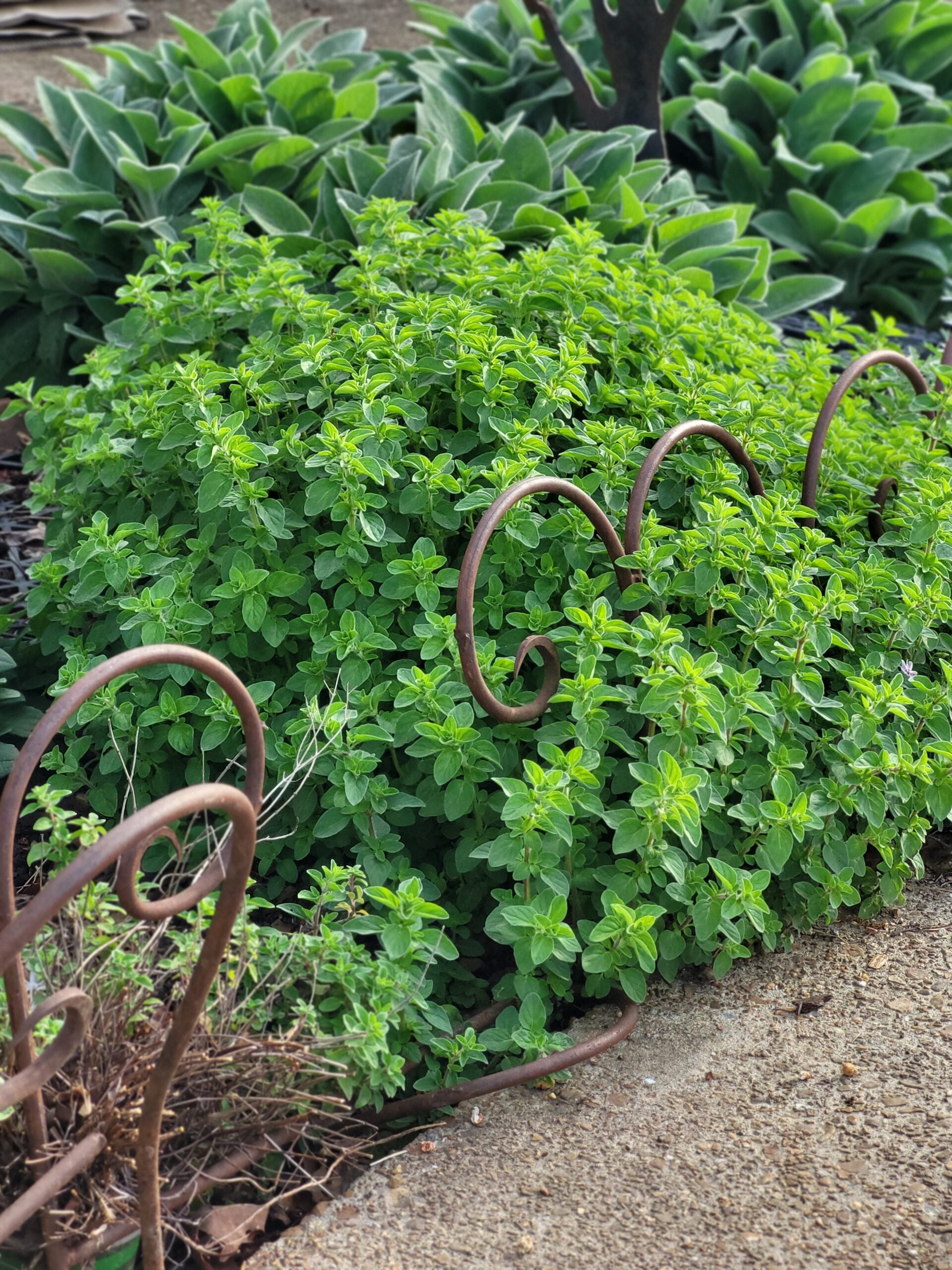
I considered not adding these two items to the list, but I will. Oregano and thyme can also be invasive, though not as quickly as the herbs listed below. With efficient harvesting and management, these two herbs can be excellent companion plants in the garden. However, if you do not thin them, they will overtake a garden space within a few seasons. The best way to then them is to remove sections, and transplant them to other areas of the garden.
- Dill – A staple among gardeners worldwide, especially those who love a good refrigerator dill pickle recipe. To prevent dill from spreading, deadhead the flower head as soon as it appears. However. If you would like to harvest dill seeds as a spice or to save seeds to sow the following year, allow the dill heads to go to seed and harvest as quickly as possible.
- Cilantro – As a fan of cilantro, I will be the first to tell you to deadhead the flowers as soon as they appear to give you a bit of a longer harvest, and to prevent it from going to seed.
- Garlic chives – Unlike common chives, garlic chives are much more invasive and can spread not only by self-seeding, but also through their rhizomes.
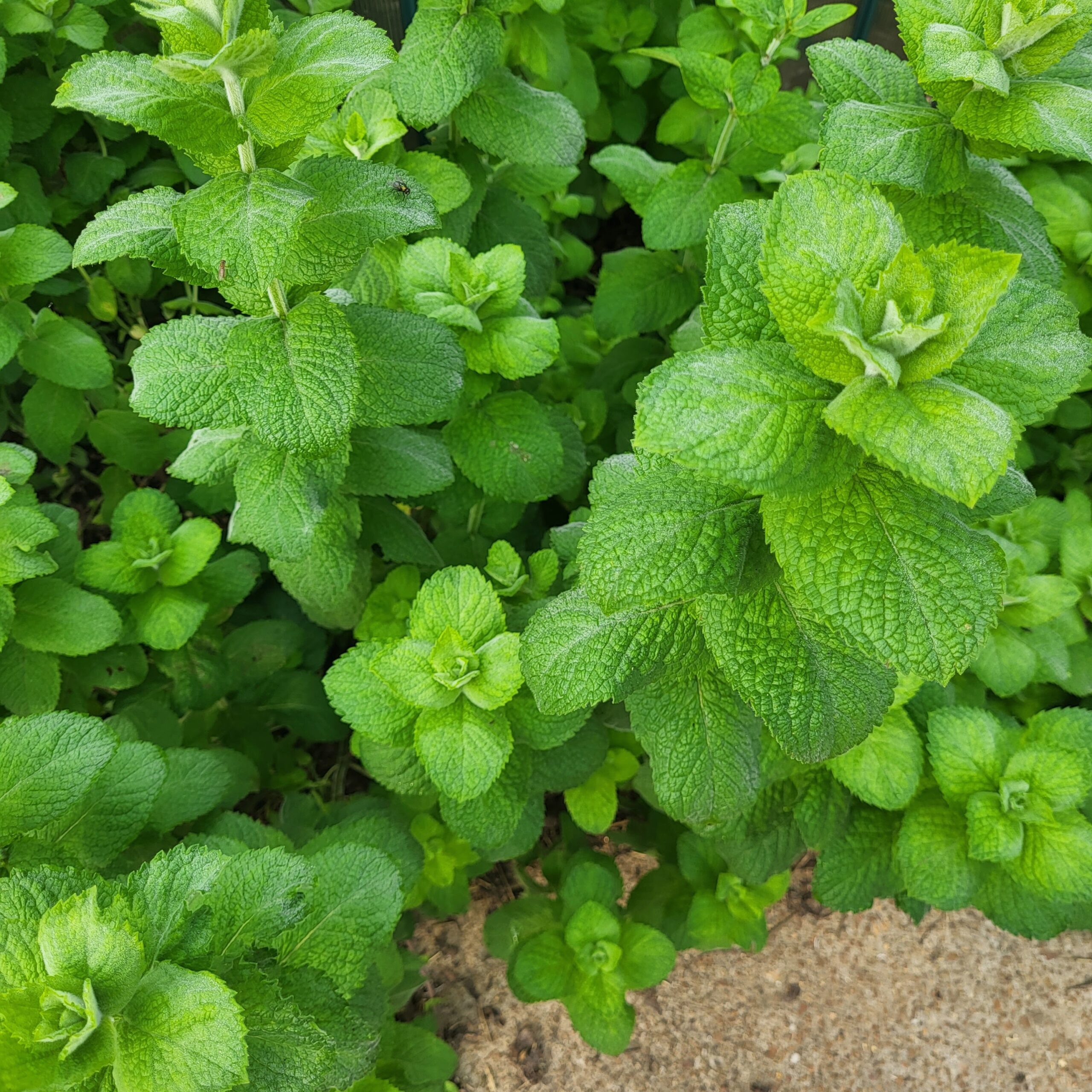
- Mint (all varieties) – I believe that mint varieties are like cockroaches; regardless of whether you have good or poor soil, mint will return with a vengeance the following year, and is one of the worst invasive plants to direct sow. Plant as many mint varieties as you like in a container to minimize their spread.
- Lemon Balm – This FAST-GROWING PLANT is part of the mint family, and I truly believe it spreads faster than traditional mint. In our own garden, we have found a self-sown lemon balm in the back of the house, roughly 60 feet from the main garden.
- Basil – As annoying as it can be, basil of all varieties is an invasive herb that I do not mind if it self-sows. Self-sown basil starts are dug up and transplanted with our tomatoes and other crops. However, basil is a staple for every individual who grows food. Make sure to deadhead the flowers immediately to encourage more growth and prevent them from self-seeding.
- Bronze Fennel – Fennel is an herb that does not play nice with other herbs or crops, as it could potentially hinder the growth of the other items being sown in the same soil. To protect the harvest, do not allow it to go to seed, and deadhead the flower head promptly.

Even beautiful flowers will take over
You don’t have to be a flower gardener to sow beautiful flowers throughout your food garden. In fact, there are many eye-catching flowers that are extremely easy to start from seed or direct-sow throughout the garden. The list below includes beneficial flowers that are both medicinal and excellent companion plants. These somewhat invasive flowers require minimal maintenance to thrive and add color and beauty to the garden.
- Chamomile – We grow German chamomile here on the farm. These tiny white flowers make for the most calming tea and skin-soothing salve. One small plant has the ability to self-seed hundreds of tiny seeds and can easily spread throughout the bed or in pathways. They are extremely easy to up-pot and sell to friends, family, and strangers, as many find the value in this plant.
- Yarrow – Seeds for this invasive perennial are available in red, white, yellow, and pastel, making them a great filler for flower bouquets. Yarrow also makes for a great companion plant as it draws in pollinators, and it deters whiteflies, spider mites, and aphids. and pollinators and the pest control eliminators, bees, butterflies, hoverflies, ladybugs, and parasitic wasps, are drawn to them. With its deep roots that draw nutrients to the the surface, it really should be planted in a pot or container, as the plant spreads through its root system and self-sows. Yarrow can double its size in one growing season.
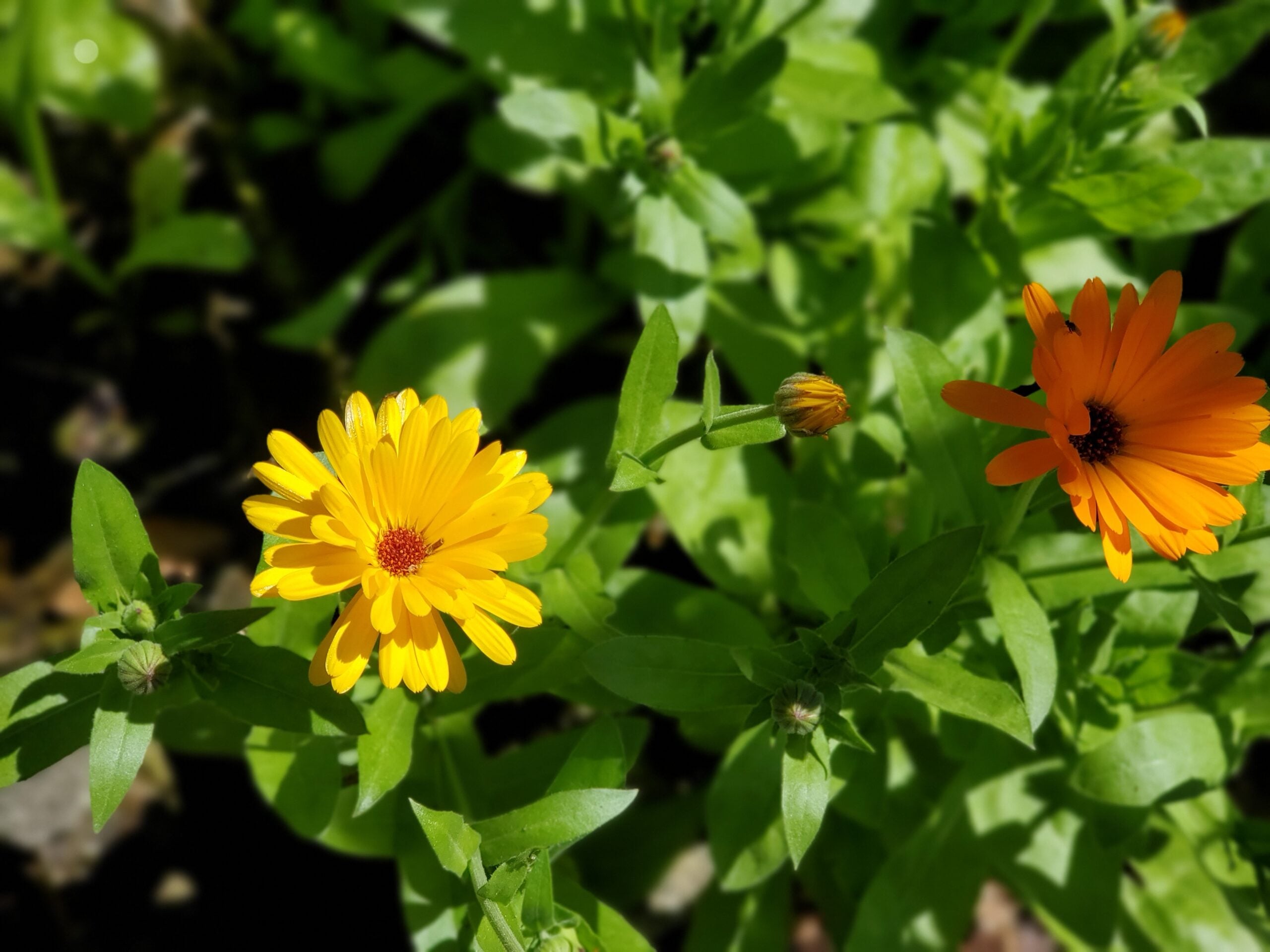
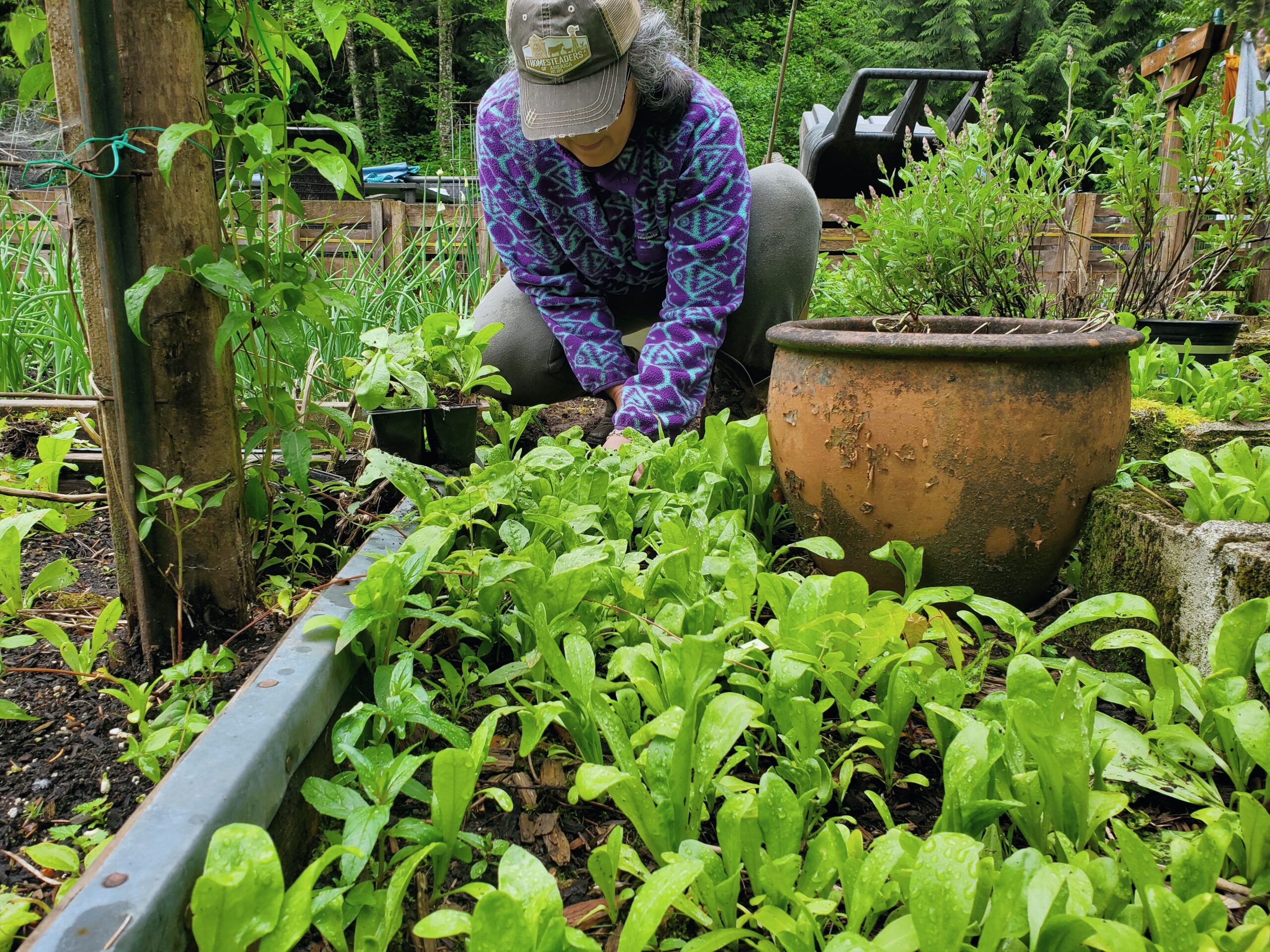
- Calendula – I absolutely love calendula. This flower brings happiness to the garden, and the flowers can be infused to make healing salves, soap, lotion, balms, and the petals are edible. Calendula as a companion plant repels aphids, whiteflies, and hornworms while drawing in beneficial bugs like ladybugs and hoverflies. However, this beautiful flowering plant will self-sow throughout your garden. For reference, the photo below shows how invasive this plant can be. However, have you seen anything quite as beautiful as the Pink Surprise and Apricot Beauty Calendula flower?
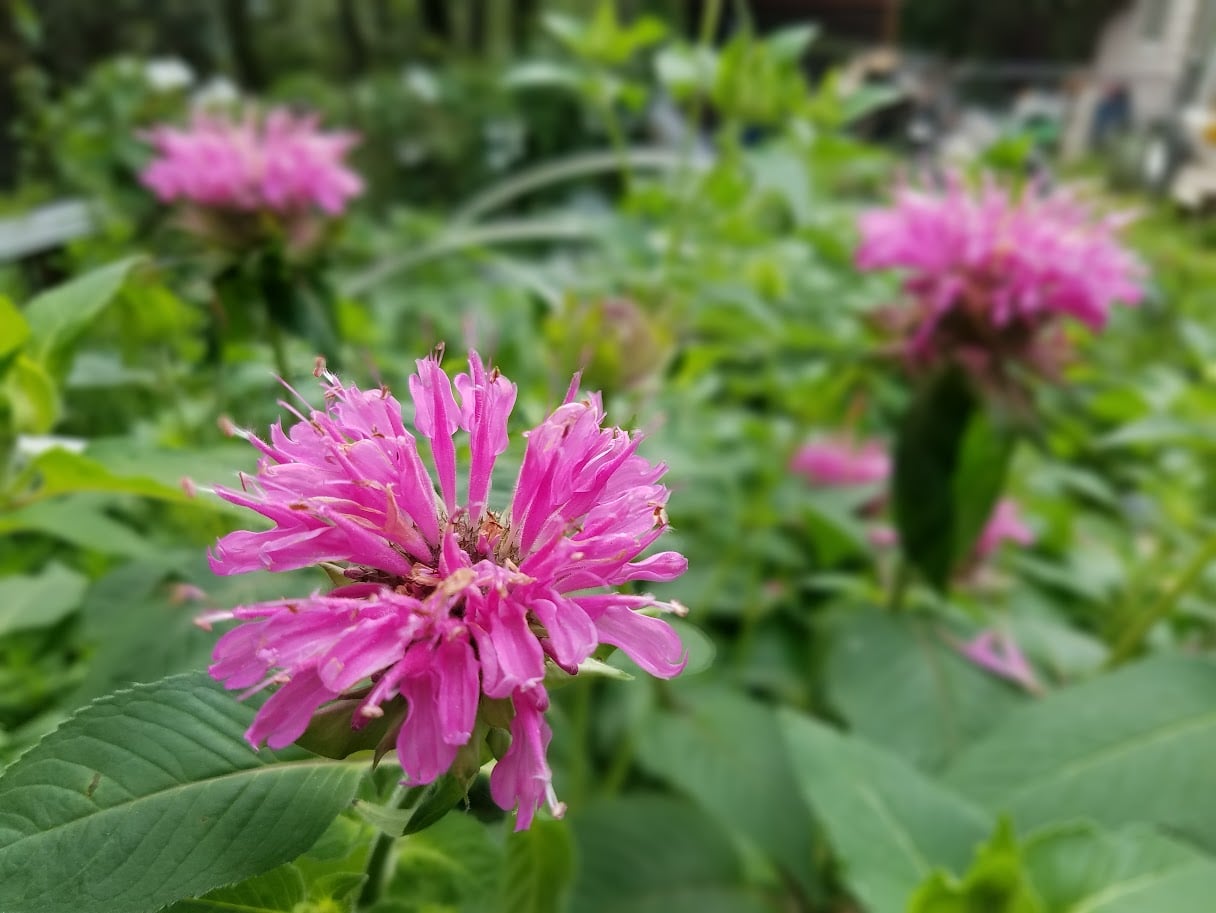
- Bee Balm – This beautiful flower is known to draw in pollinators and improve the soil. However, one plant can spread quickly through underground rhizomes. To thin bee balm, simply dig a section out and transplant it. This beastly plant will grow anywhere.
- Marigolds – I never considered marigolds invasive until the year I didn’t deadhead them. The following spring, I did not have to sow a single marigold seed; instead, I transplanted the ones from the previous year that had self-sown throughout the garden. And for the record, there were over 45 starts.
- Amaranth (technically an edible grain that is also used in flower bouquets) – With its tiny seeds, it makes this a fast-spreading plant. One Amaranth flower head can produce between 10,000 and 100,000 seeds. Not only will it sow where the seeds are dropped, but the wind and the bottom of your shoes will also carry it further, spreading it across your garden and property.
- Violas, Johnny jump-ups, pansy – Yes, they are self-sowing and will pop up anywhere they can, but in truth, they will brighten your day, so let them self-sow anywhere they wish. If you need more convincing, Johnny jump-ups, violas, and pansies make a great ground cover, minimizing the amount of weeds in a growing space.

- Borage – Like the other flowers mentioned here, one plant can drop hundreds of seeds, producing new plants each spring. Borage seeds are so lightweight that a slight breeze can settle them many feet away from where they were initially sown. This can be quite bothersome to many home gardeners. I am not the average gardener, as I see volunteers as a blessing. Any self-sown plant can be dug up and planted or sold to make a little pocket change.
There was a time when I toyed with the idea of growing Chinese wisteria and Japanese honeysuckle as a decorative plants at the entrance to my garden. The wisteria is a beautiful ornamental plant, a climbing vine that produces pastel-colored purple flowers. The honeysuckle is just as beautiful, and the flowers have the most beautiful scent. Regardless of how beautiful they are, I would advise against growing these invasive vines.
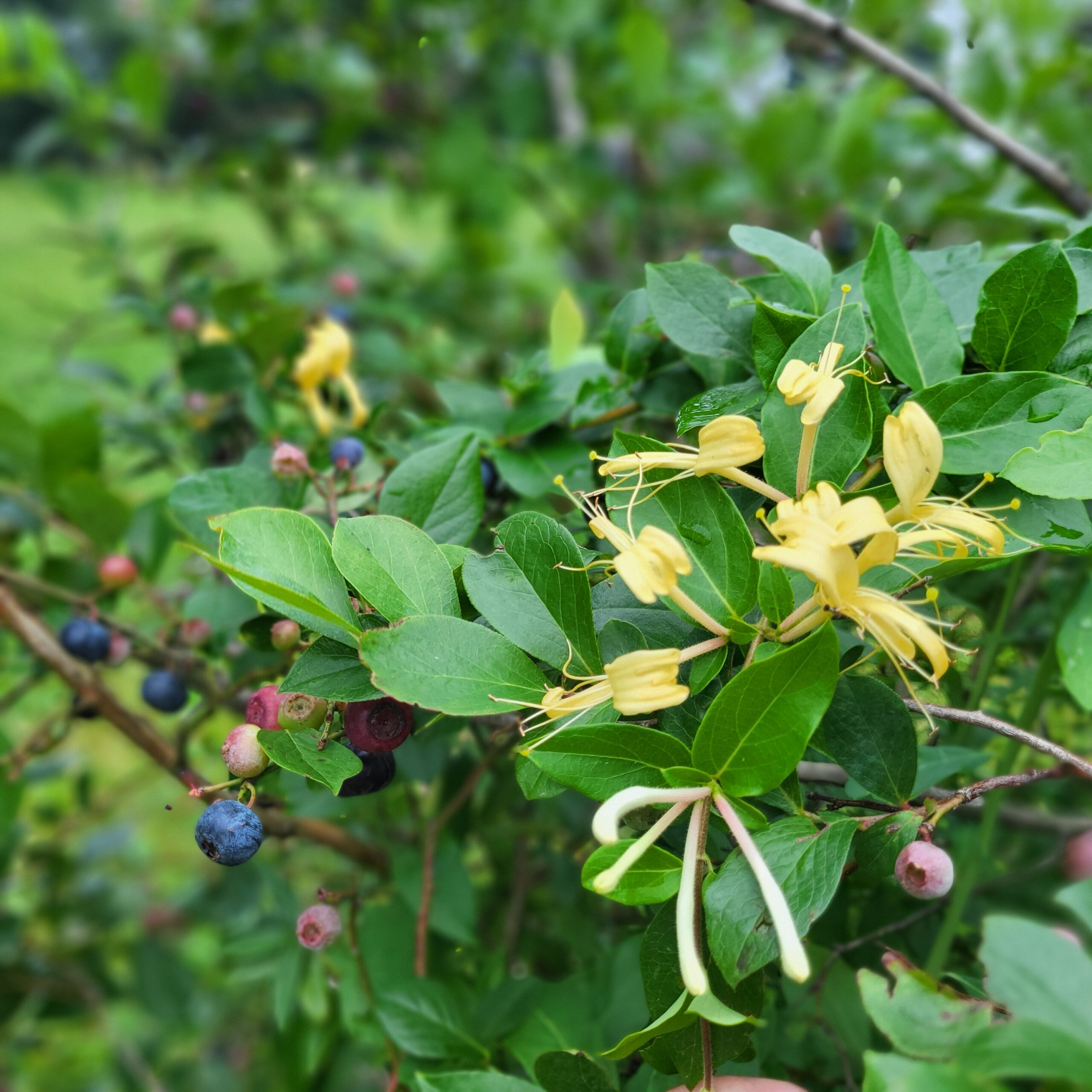
The photo below shows a Japanese honeysuckle vine that overtook a large blueberry bush in one growing season. The leaves naturally blended with the leaves of the bush, camouflaging the plant until the flowers appeared. Removing the vines damaged the blueberry branches, which in turn hindered our harvest the following year.
Medicinal plants
Blessed is the person who has the skill to utilize medicinal plants for a more natural way of living. I will honestly state that I am not one of those individuals. However, I do like to have a small apothecary on hand for moments when we may need them. Much like the items mentioned above, here are a few medicinal plants that can be quite invasive. Plan your garden accordingly, as these items are perennials and can be quite invasive to any growing space.
- Tulsi, also known as holy basil – Like other basil varieties, Tulsi is self-sowing. This herb is used to address many ailments, and it’s great to have on hand. I recommend dedicating a growing space outside the garden to ensure a great harvest each year, without it spreading throughout the garden. Unlike other mint varieties, Tulsi spreads through seeds and not its root system.
- Stinging Nettle – I am sure many are asking why one would sow stinging nettle in or near the garden, especially when it can be foraged for. Nettle has quite a few incredible qualities: it’s a superfood, it can be fermented and used as fertilizer for the garden because it’s high in nitrogen, and it can be made into a medicinal tea. Stinging nettle grows through its root system and is self-sowing. Make sure to wear gloves when working with nettle.
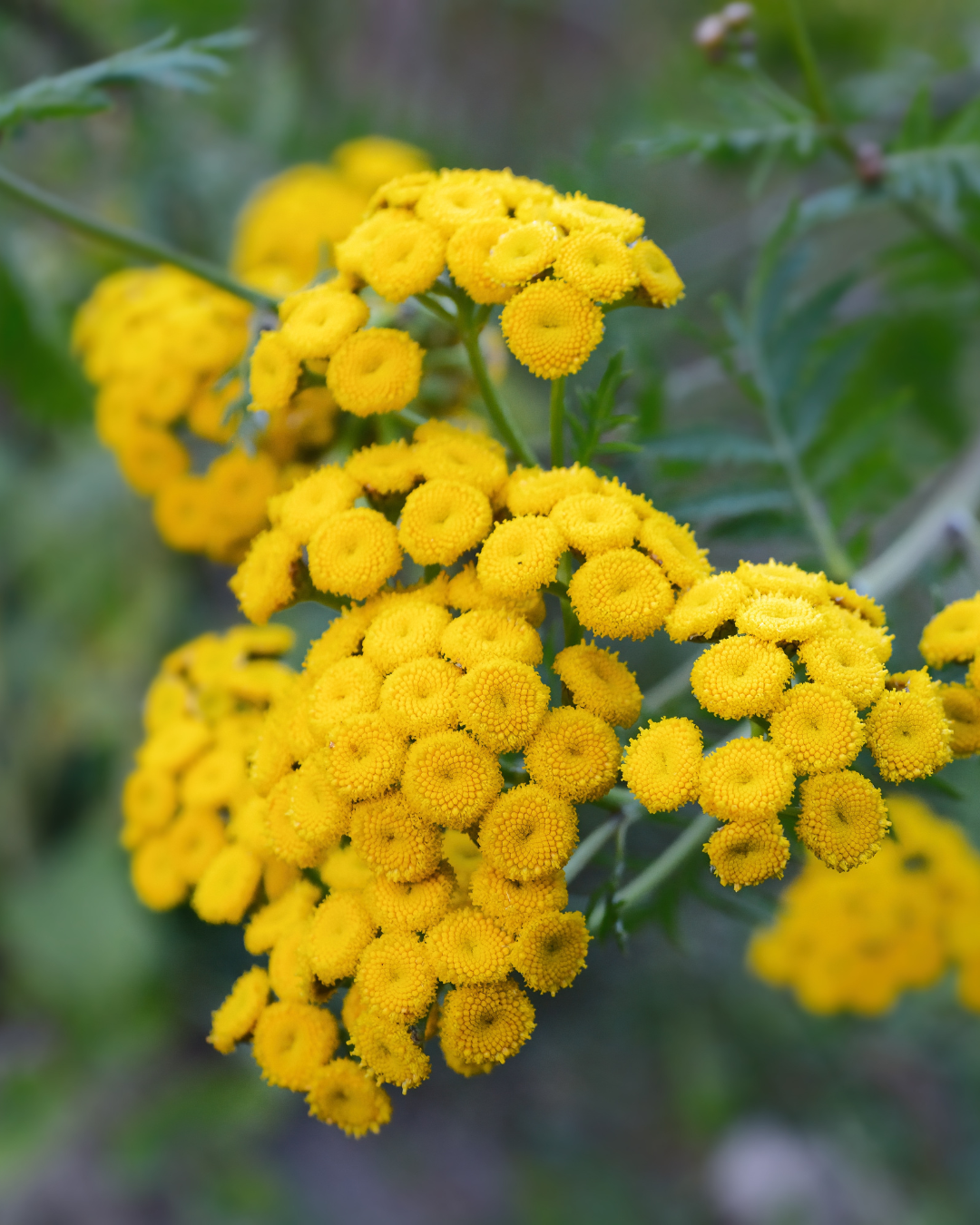
- Tansy – This plant with yellow flowers was once favored by herbalists worldwide, but it has somewhat fallen out of favor and is now considered unsafe to use as a holistic remedy. However, it is a great companion plant in the garden. It attracts beneficial insects while acting as a pest deterrent. It’s a great companion plant for tomatoes, potatoes, and brassicas, and is drought-tolerant and thrives in poor soil. It is considered a highly invasive plant that spreads quickly through self-seeding and rhizomes.
- Marshmallow – This is a beautiful plant that grows exceptionally tall, producing a flowers just as stunning as the plant itself, and can reach 3 to 6 feet in height. Marshmallow root and leaves (sometimes the flowers) are often used naturally to soothe colds, stomach conditions such as ulcers, and digestive issues. Marshmallow is self-seeding, but can also spread through root rhizomes.
- Heal-all – This incredible medicinal plant is a member of the mint family, and is also known as common self-heal, woundwort, heart-of-the-earth, carpenter’s herb, brownwort, or blue curls. Heal-all is a low-growing, roughly 1 ft tall, and spreads like mint through the plant’s root system. In addition to the medicinal qualities, the draws in many pollinator species and is favored for its nectar by honeybees.
Three additional items to never grow near your garden or on your land
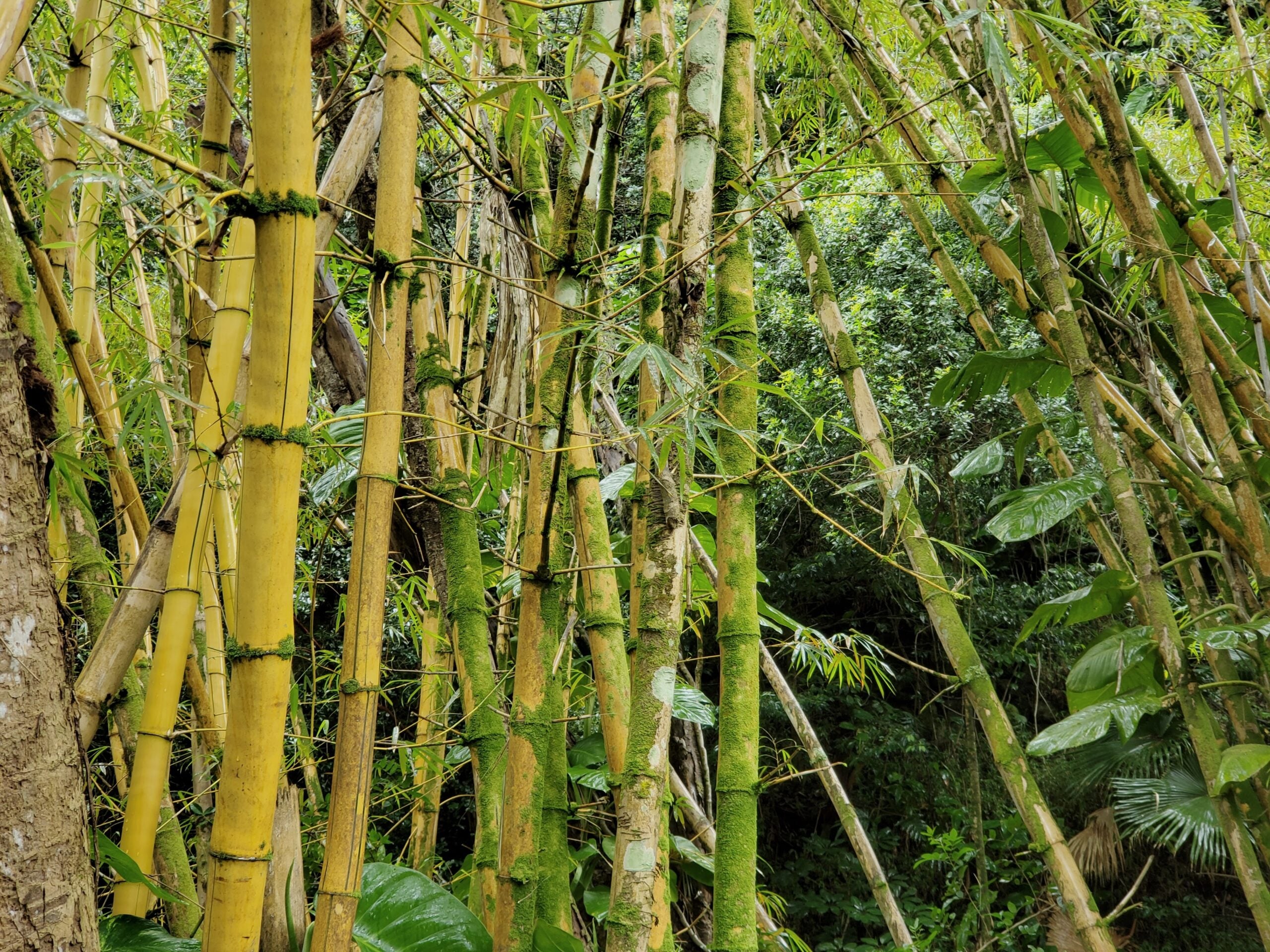
Golden bamboo is an aggressive plant and is considered to be an invasive species that spreads as quickly as poison ivy, English ivy, and lily of the valley. Depending on the variety, bamboo has the ability to produce up to 1 yard of new shoots a day, and it can take a few years to remove the rhizomes left behind.
The Bradford Pear tree and the butterfly bush are invasive plant species. These two plants are non-native plants to the United States and originated from eastern Asia and Japan. Both have been banned in numerous states from the sale or transportation into those particular states due to their ability to destroy native vegetation.
How to manage the MOST COMMON INVASIVE PLANTS in the garden
The best time of the year to care for such invasive plants is…. ALL. THE. TIME. Meaning, when you see any starts pop up, pull unwanted plants immediately, or transplant them in a spot you prefer, or up-pot them and sell them. This is a great way to utilize volunteers, especially ones that make excellent companion plants, throughout the garden.
For those who want as little work as possible when dealing with invasive plants, a weed barrier, also known as landscape fabric, will work wonders in the garden. If you seek a more cottage-style walkway and do not wish to seed the weed barrier, feel free to cover it with mulch or hay.
Pin this article for later reference
Take a minute to save this article for future reference. Go ahead and pin this to your GARDEN board on Pinterest!